


Four Flexbone Variations That Manipulate Defensive Reads
By Ian Gardner
Quarterbacks Coach & Pass Game Coordinator
Desert Edge HS (AZ)
Twitter: @igardner33
Introduction:
 Early on in our season in 2014, as an offensive staff we had to make changes to our offensive scheme and personnel. We noticed we were developing running back depth and several of these backs showed they needed to be on the field more and together. We decided to package and run our offense out of three-back personnel for the rest of the season. In our three-back personnel, we identified them as A, B, and H. The A-back was our primary running back. The B-back was more of a second running back, but also could be moved around and play slot receiver. The H-back is your traditional utility player that many teams are using; he blocks well, runs routes and catches the ball, and at times, even carries the football. The keys for this personnel grouping – they had to be athletic, smart, block well, and have good ball security.
Why the Triple Option?
For us, we had to create plays in our offense that could take advantage of our personnel. That means a QB who is a good runner and the depth we had with running backs. We wanted to have more read options built in to our offense and be more versatile, but still keep our offensive blocking schemes simple for our offensive line. We had several dual option reads in our base offense, but we thought going to triple option would both allow us take advantage of our personnel and provide something for our opponents that they wouldn’t see as much of during the season. We strongly believed this would give us the best chance to succeed and win more football games.
Triple-Option Basics:
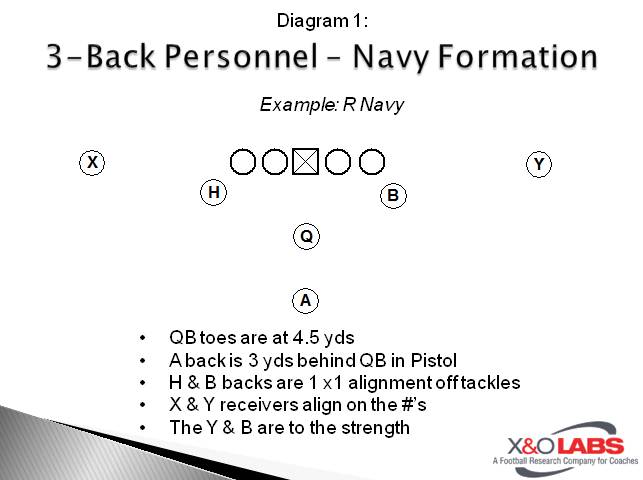
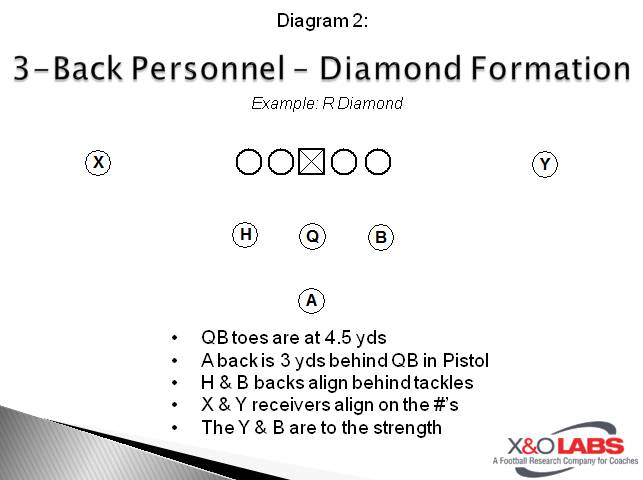
We basically ran two formations with three-backs in the backfield – Diamond and Navy (Diagrams 1 & 2). The Y receiver is to the strength, and the X is away from strength. The B-back went to the strength side and would align in a wing position or in off-set gun depending on the formation. The H-back was our adjuster. It is very important to understand, in our offensive scheme the type of run play called dictates how our A-back and sometimes our B and H-backs align.
H Alignments:
The alignment of our H usually dictated to defensive strength they made and we will game plan this as we prepare for the week. His stance is that of a RB – two point stance, hands on thighs. We have four main alignments we like to use for our H: Sling, Wing, King, and Queen.
Sling tells the H to align in a 1 x 1 alignment off the tackle (or possibly TE) to the strength of the formation. For example, in Rt Diamond Sling, the H would align to the right side off the right tackle.
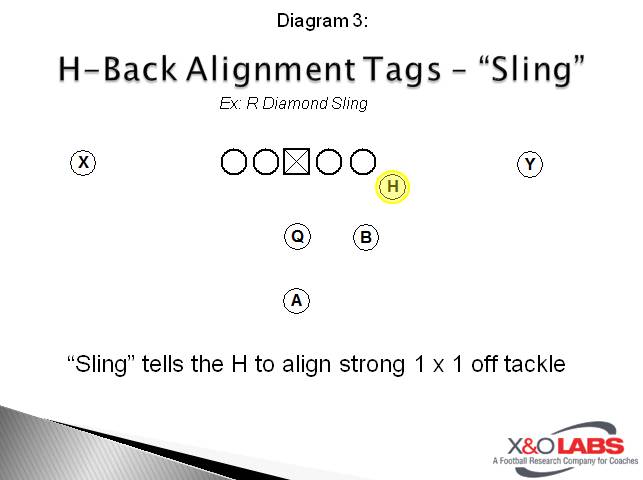
Wing tells the H to align 1 x 1 off the tackle away from the formation strength. For example, in Rt Diamond Wing, the H would align to the left side off the left tackle.

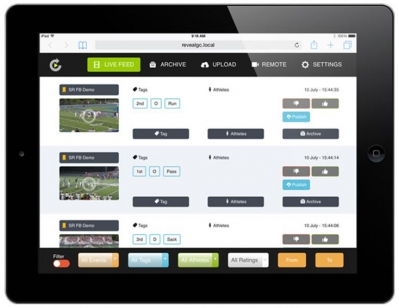
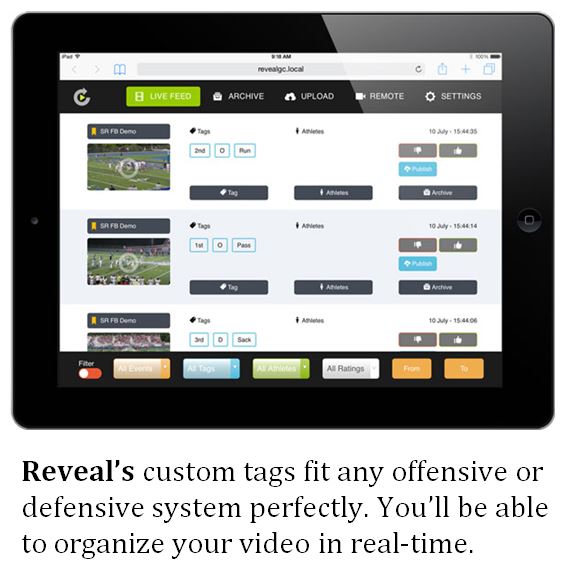 So, when Reveal hit the market, Logan was ready for a change. Once he received the product, he saw an immediate difference, which came in the form of portability and accessibility. It came in a backpack, with its own self-contained Wi-Fi hot spot and he’s able to use it with his own cameras. When he found that he would be able to tag plays and immediately view them within 3 to 5 seconds of conclusion, Logan was sold. “During the play, I can tell my guys up in the box ‘tag that play when we are on defense’ and I can to go back to it within 3 to 5 seconds with the rest of the staff and players. It’s very user friendly. It will be faster for us to see the clips we want. It’s similar to HUDL in that you can find what you need. It makes it easy and controllable.”


 One little-known rule change from the NFHS two years ago has gone virtually unnoticed… and it could be one of the biggest opportunities for high school coaches in 2015.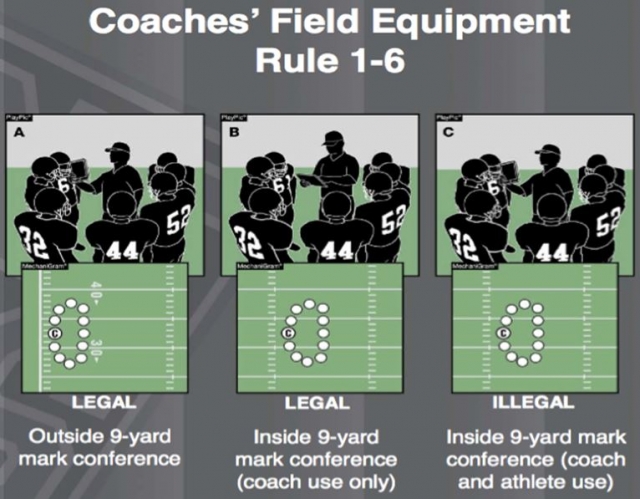
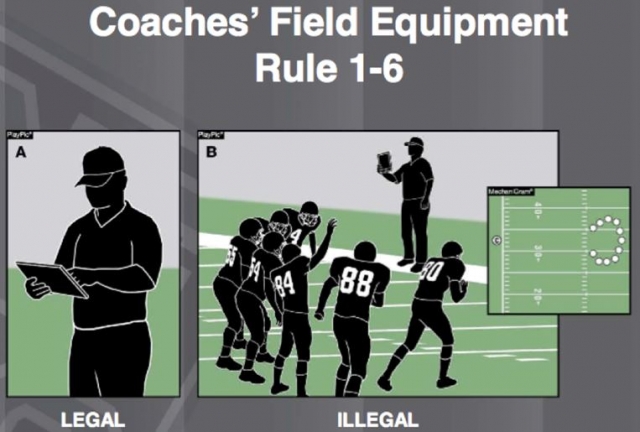
 With this rule change, gone are the days of watching film on Saturday only to discover the one or two changes you could have made to win yesterday’s game. And, our favorite, you’ll no longer have to “get on” a kid on Monday due to a blown assignment, because you’ll be able to immediately show him the mistake and make changes during the game.
 It’s important to note that the alignments of safeties in Quarters Coverage will depend on how many receivers are to their side of the formation. Remember that Quarters coverage is a “mirrored” coverage, where one side of the secondary is working independently of the other side. Because the offense can present various looks to each side of the formation, we will detail the changes in alignment in Case 2 and Case 3 of our report. Here, we’ll start with fundamentals and techniques of those safeties and how you can get them more involved in the run game.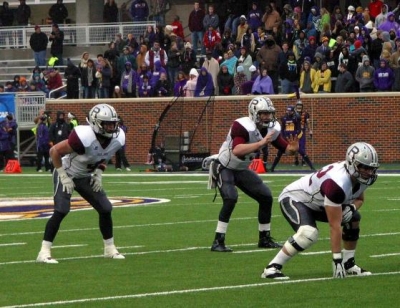

 A two-man surface clearly eliminates an extra gap in the run game, which is probably why many coaches prefer to blitz the two-man surface in passing situations. However, we did find that some coaches are using a two-man surface pressure to affect the run game, but not the weak side run game. Montana State defensive coordinator Jamie Marshall uses what he calls “backer” check, which tells the bubble linebacker in his four-down front to pressure the B gap. It’s a solid first and second down call in the run game and fits well against 11 personnel run game. It’s a three-deep, three-under pressure out of the four down front.

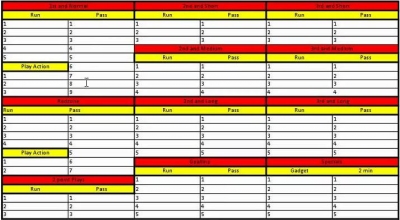
 Does this scenario sound familiar? You spend all week studying film, opponent tendencies, drawing plays, teaching your players in the film room and on the field; you have put together what you thought was the perfect game plan only to see your team fall short. The next day you study the film and all you do is ask yourself why did I do that? Why were we trying to be something that we are not? Your film session is filled with players making mental mistakes and not playing like they are capable of playing. This article is designed to highlight some of the mistakes that are common in the game plan process.