


Creating Defensive Alignment Issues With an Overload Line
By Steve Steele
Head Coach
T.F. Riggs High School (SD)
Twitter: @Steele_House
Introduction:
Game planning at the high school level is very different than it is for most colleges. In college, coaches have almost too much time during the week to game-plan every detail of a game. Conversely, high school coaches spend their days teaching classes and have a very limited supply of game-plan time. We see that as a difference that needs to be exploited.
Here at Riggs, we decided to make our standard offensive line set an overload, meaning 1 lineman on one side of the center, and 3 on the other. This was our way of forcing Defensive staffs to figure out an alignment and make certain choices that we would look at and select our plays off of. In our first year using this, we were not perfect, but we have decided to keep it for the long haul. Note, some of the defenses discussed may not seem entirely sound to you, but that is the point of the chaos we try to create with our formations. Here is a break down…
The Offensive Line
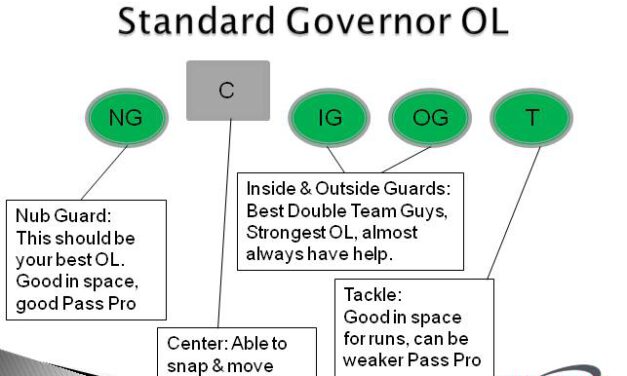
Having our offensive line always being in an overload meant that we needed to call them something different. Otherwise, it would be tough to figure out who was who with Guards and Tackles, so we came up with this as our set Offensive Line positions.
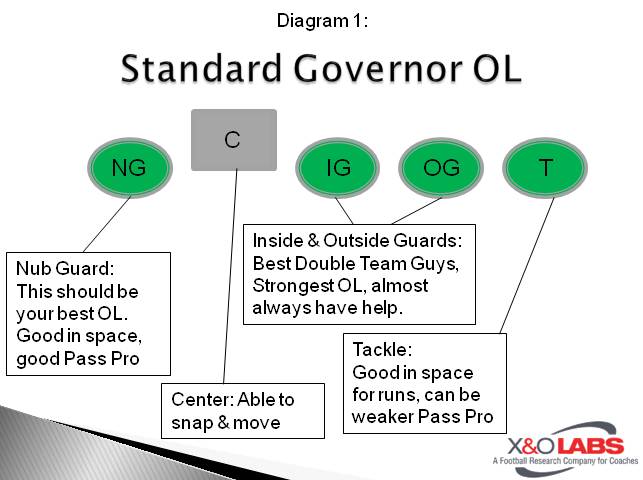
We had our Offensive Line keep between 2-3 foot splits for the most part. We adjusted for some special situations where we wanted tighter splits, but tried to keep them pretty wide to make defenders really have to choose their gap and technique. We did not huddle once this season, so we never had to actually setup a huddle. Our QB called the overload to help them flip when they needed to and was the one who set our tempo. A lot of times when we got in the groove we would try and move faster and push the pace. We weren’t a true tempo team, but really thrived on our ability to push the pace while adjusting to our different formations and limiting our substitutions. The names of our Offensive Linemen will be used throughout the rest of this article.
Creative Formations
Knowing these positions, we align the rest of our guys in ways that has the ability to stress both edges. Most defenses would try to simply gap over their Defensive Line and Linebackers. Knowing this, we were able to move the defense one gap away from our short edge and therefore give us a quick edge to get off if we had numbers. On the other hand, if the defense really saw the short edge as a threat, we have a solid run strength to the other side for gap and man games. We started every game with our Overload always adjusting to the sideline to give the short edge to the middle of the field, but if we saw something in game, it was very easy to have the flip or tell them to always be to the field, that part was in-game adjustments for us. Here were our main formations that we used this year.
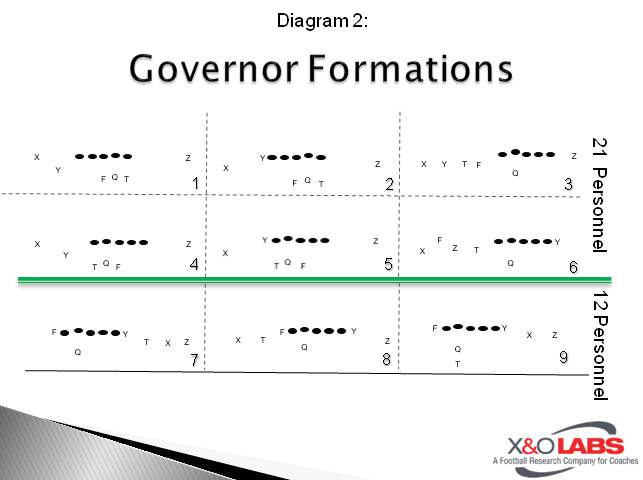
The cool part about our formations is that the Offensive Line and the skills were separate, so we could have every formation with our skills with the Offensive Line Overload going either way, so in a sense we could double to looks we gave the defense without actually putting in twice the formations for the kids to remember. This made it very easy for us to continue mixing up the look we were giving the defense without mixing up our guys and causing any confusion on our end. We are a no-huddle team that mixed tempo throughout the game. By being able to get in and out of these easily, we were able to have a lot of people moving around and making the defense communicate at a high level just to align properly. Additionally, we had one kid who was able to play F and Y, so with him in we were actually able to run every one of these formations without subbing or slowing down if we chose. This made us even harder to predict and was fun to use.
The details for our alignment we tried to keep pretty basic. They are as follows:
- QB is in the shotgun with his heels at 4 yards.
- The T position which was our faster RB we kept on the short edge side at all times in our 1, 2, 4, & 5 formations. This allowed to get him off the edge in routes quickly and also get him the ball off the edge quick if the opportunity arose.
- The F is our FB position, who was always on our overload side. We had both T & F align their Inside foot with the Outside leg of the Guards. This ensured our QB would have time to make any reads in our mesh timing.
- The outside WR’s would align on the top of the numbers no matter where the ball was, and only adjusted in our Quad sets where they would widen to the bottom of the numbers.
- The #2 WR would then split the difference between our end man on the line of scrimmage and our outside WR. If we were in our Quads look we tried to keep everyone at least 5 yards apart (which was a constant struggle to stress to the kids to keep them apart).
We had hand signals for the skills to lineup, and had the QB switch the overload as needed. Being able to keep everyone on the same page and moving fast was critical to our offense’s ability to mix the tempo and either slow down to control clock or push the pace to snowball momentum or prevent the defense from subbing. Now that we have covered our alignment let’s discuss how we got the kids in the best situation to succeed.

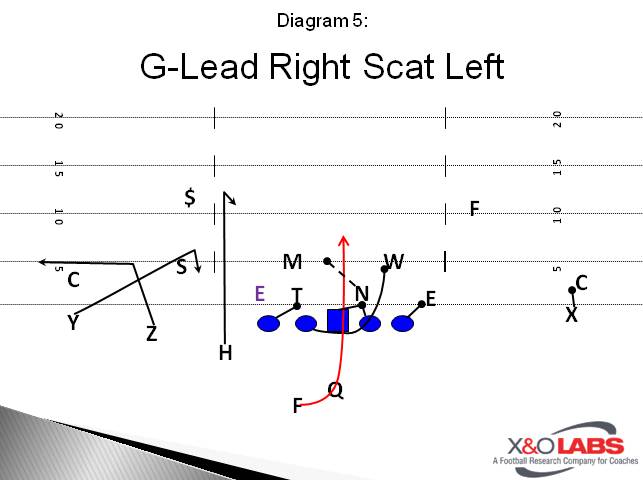
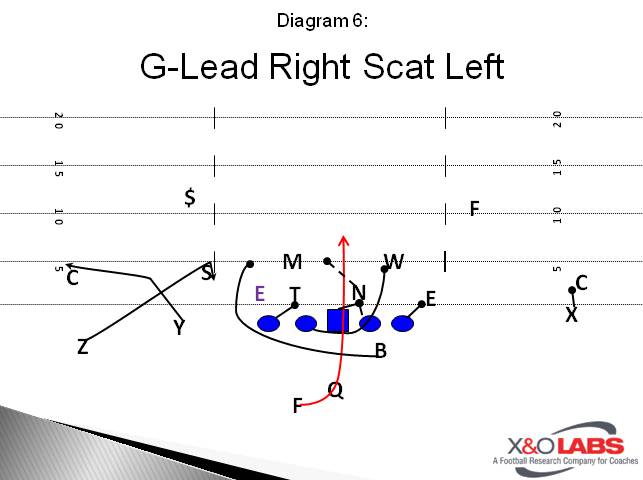
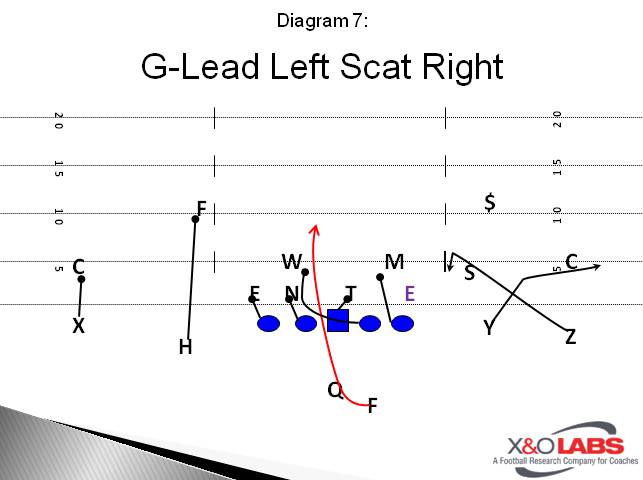
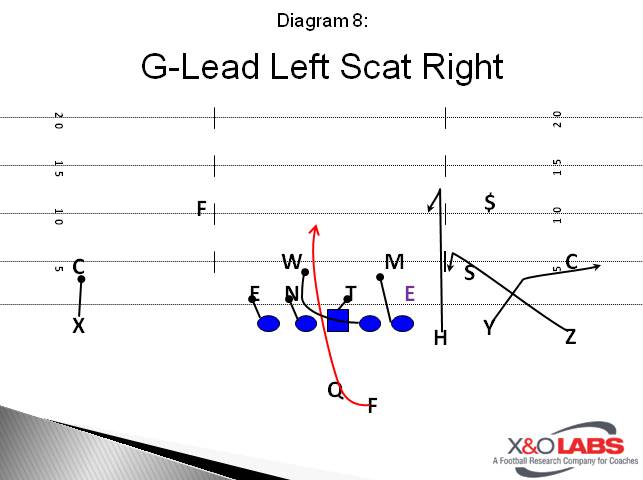
 Time is a coach’s greatest resource.
 Building Consistency with Coaching Staff:
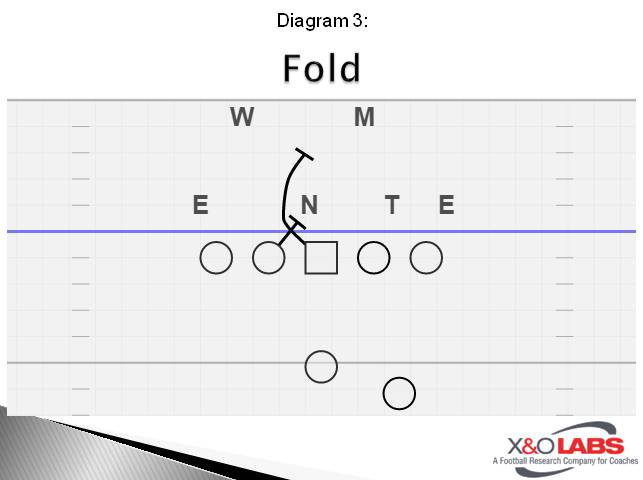
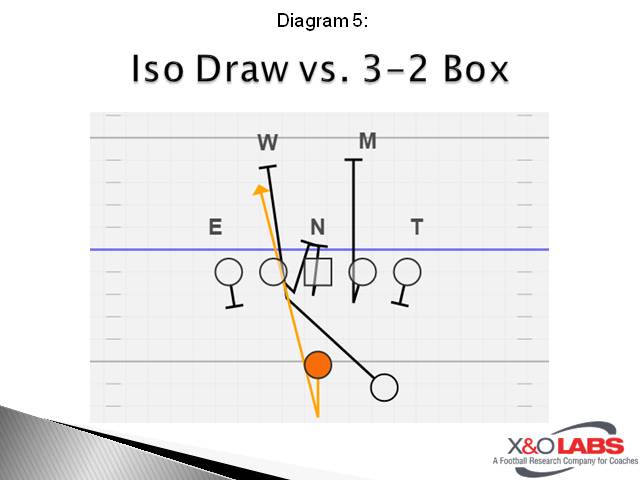
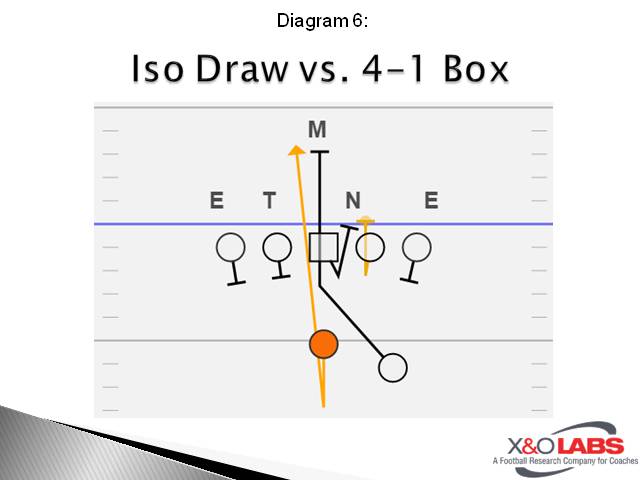
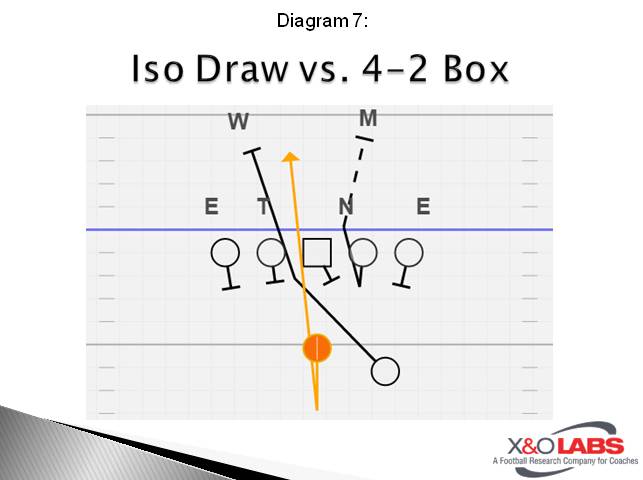
 The Iso Draw is perhaps our favorite play in our offense. It is incredibly versatile for us as we can run it at nearly any time. Ideally, we are running this play on downs where they are most apt to be defending other things or on downs where we get the greatest displacement on the linebackers when we drop. But we can also run it on 1st and 10 or 4th and short. This past season it just happened to be more so on first down. Regardless, we have found this to be a very effective conversion play. This clinic report will outline the base concept and variations that we like to use to keep the defense guessing.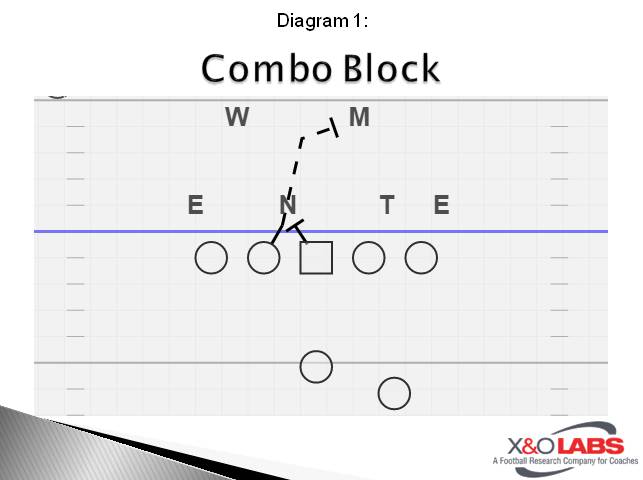
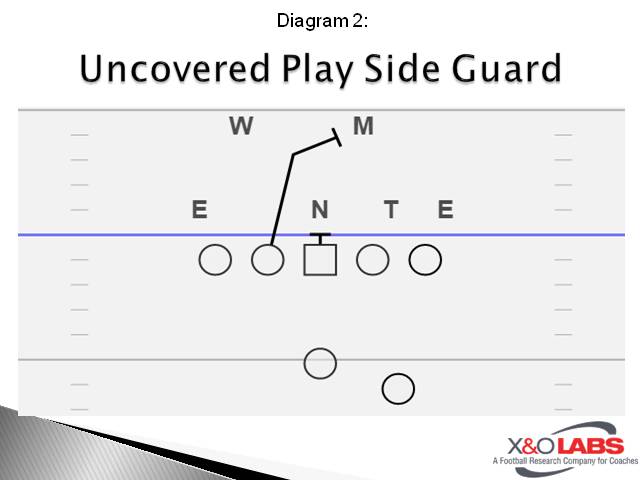
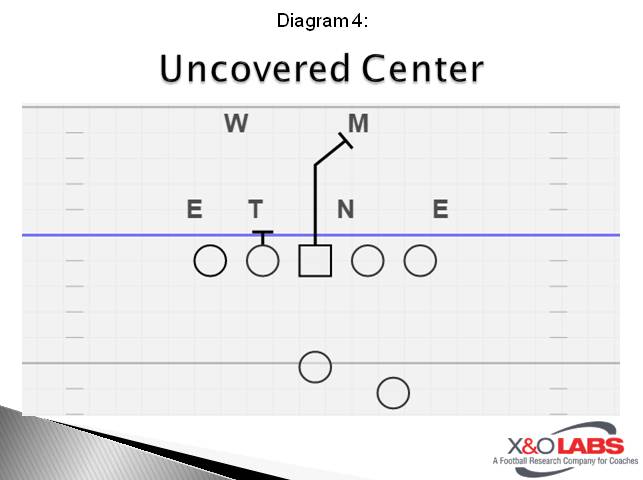
 Southern Oregon has thrown for over 20,000 yards in the past five years and seen almost all school records broken, along with national passing records. We have appeared in the NAIA National Championship game the last two years, winning it in 2014. This happened for many reasons, but one of the most important is our focus on the details.
 Before continuing any further, we should address the entire foundation in which Sam Houston State’s offense is centered around: Finding space and exploiting it.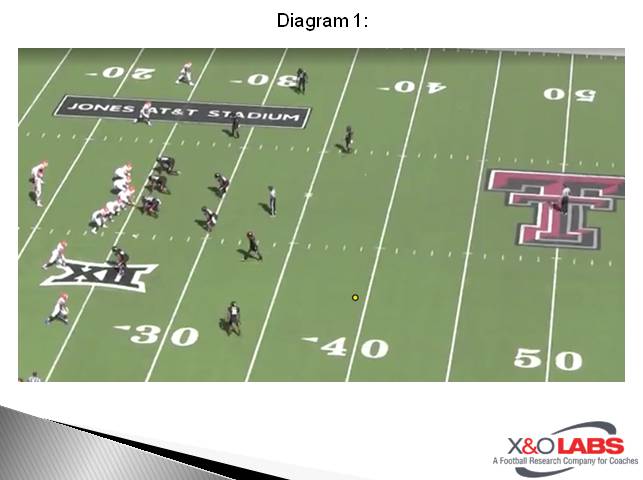
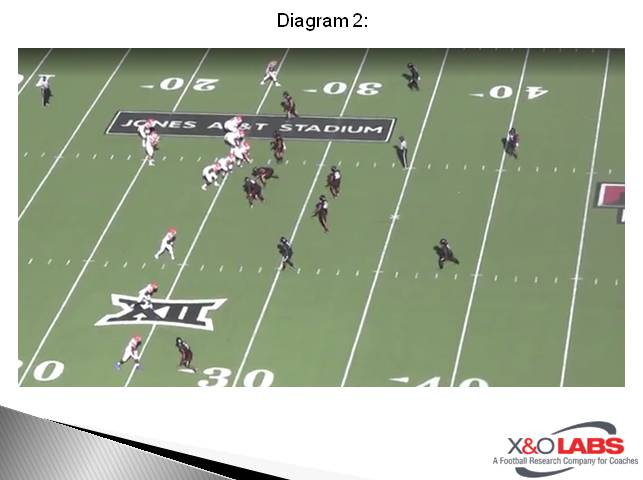
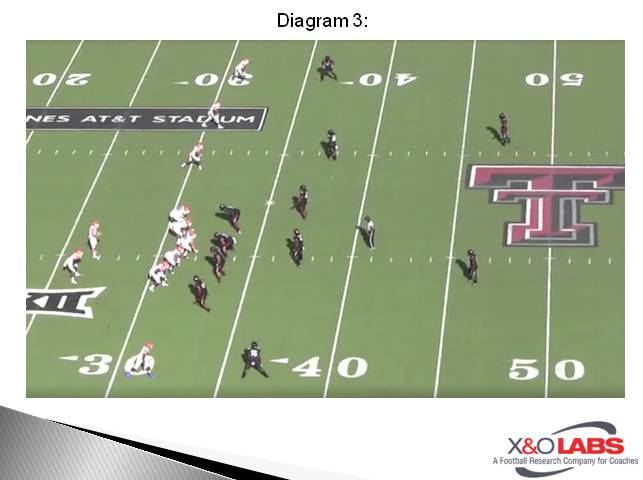
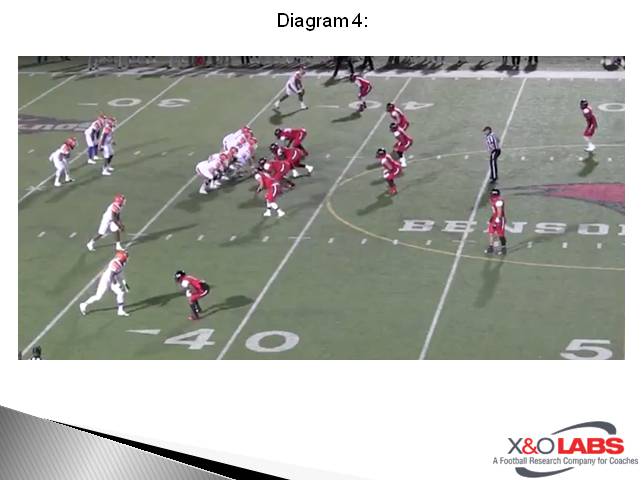
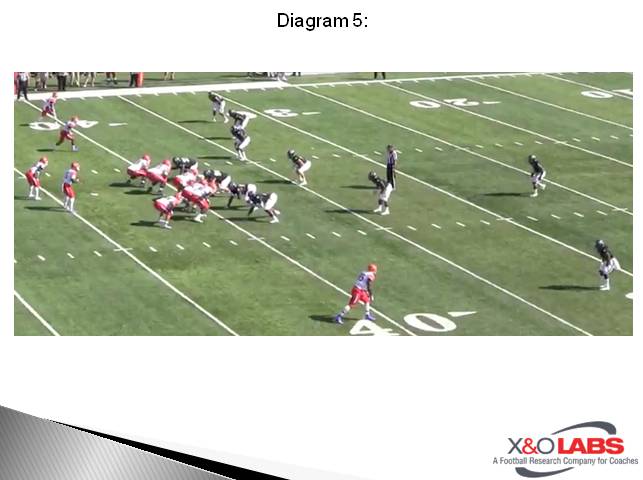
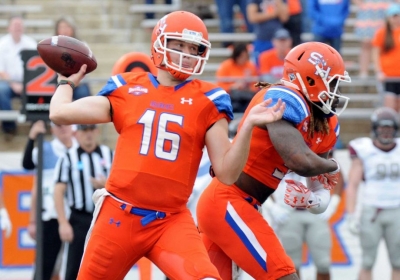
 In most spread offensive systems a lot of responsibility is placed on the quarterback. He’ll often have to identify the Mike, read the coverage structure, check the protection, align the offset running back and communicate the play call to the offensive line. That’s before the ball is even snapped. It was a daunting process and a world that Coach Longo doesn’t want his quarterback living in. So when he started crafting the system, his plan was to streamline the pre-snap thought process as much as possible. “Our quarterbacks don’t talk to the offensive line at all,” he told us. “They don’t signal anything to the receivers. It’s not his job. We don’t even call or check protection. We don’t want them doing anything but completing balls. We don’t want them to read defenders and know coverages. That’s why our sacks are low.” The Bearkats surrendered 1.4 sacks per game last season.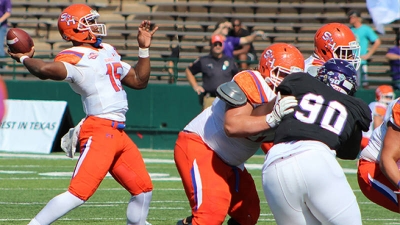
 In this case, we delve into the specifics of the pass game at Sam Houston State University. The pass game is centered on quick game concepts with even quicker release points by the quarterback. All of the fundamentals and techniques emphasized in case one and two are tied into each of the pass concepts described in this section. Coach Longo and his offensive staff break their pass game down into the following components: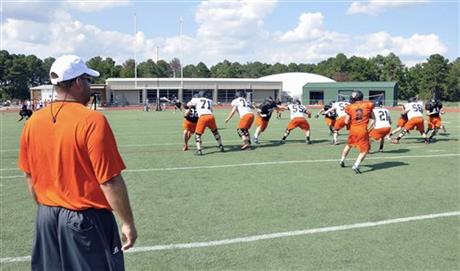
 When directing a tempo offense, communication is everything and a simple miscommunication can result in travesty within seconds. There are two key cogs in running the tempo offense- the offensive coordinator and the quarterback and how these two individuals work together is in direct relation to how proficient the offense becomes. On a play-by-play pre-snap basis, the quarterback is asked to survey information, digest information and communicate information in a matter of seconds. All of this information is provided by offensive coordinators during the course of the game week. We wanted to research specifically how these communication is conveyed between the coordinator and the quarterback so we surveyed nine offensive coordinators at both the high school and college level to ask them the following questions: